Artist
Tall Ships on the High Seas
|
1927
Adametz, Heinrich Emil
1884
Düsseldorf (DEU)
-
1972
Berlin (DEU)
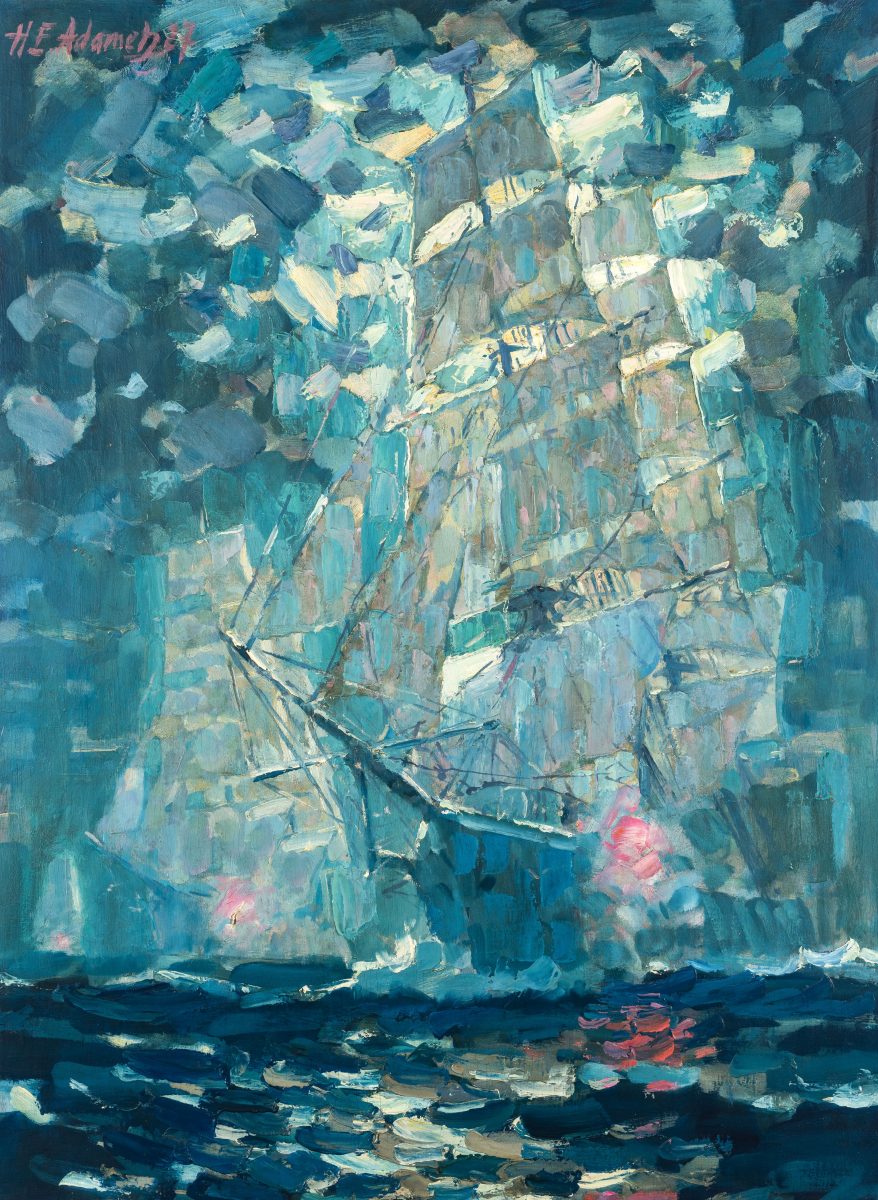
The artist and shipbuilding engineer Heinrich Emil Adametz is regarded by the museum as an outstanding representative of the Lost Generation. His life story throughout the twentieth century reads almost like a film script. From 1933 to 1945, Adametz was a member of the Reich Chamber of Fine Arts, part of the Nazi Reich Chamber of Culture, which gave him privileged access to painting materials and commissions. Unlike many other artists, particularly Jewish artists, he was not subject to a professional ban. In addition, until 1940, the trained decorative painter and interior designer worked as a draughtsman and designer for the Naglo shipyard. From an early age, he was fascinated by maritime and naval paintings, including Tall Ships on the High Seas (1927). The Self-Portrait with Pipe, by contrast, portrays him not as a shipbuilding engineer, but as an ageing, self-assured artist. During the Nazi era, Adametz led a double life: on the one hand, he was able to paint as a member of the Nazi Reich Chamber of Culture; on the other, he was married to Johanna, a Jewish woman (who, from 1937 onwards, was required to use the additional forename “Sara”). They never divorced, meaning that their marriage was classified by the Nazi regime as a marriage to a person of Jewish descent (“Jewishly related”). From 1944 onwards, the trail of the couple grows cold, as both were forced to move between various hiding places. After the end of the war, Adametz resumed his artistic career, but was unable to regain his former success. Tall Ships on the High Seas aus dem Jahr 1927 gehört. Das Selbstporträt mit Pfeife hingegen zeigt ihn nicht als Schiffstechniker, sondern als gealterten, selbstbewussten Künstler. Während der Zeit des Nationalsozialismus führte Adametz ein Doppelleben: Zum einen konnte er als Teil der nationalsozialistischen Reichskulturkammer malen, zum anderen war er privat mit der Jüdin Johanna (ab 1937 mit dem verpflichtenden Zweitnamen „Sara“) verheiratet. Eine Scheidung fand nie statt, wodurch die Ehe als „jüdisch versippt“ galt. Ab 1944 verliert sich die Spur des Paares, beide mussten sich in wechselnde Verstecke zurückziehen. Nach Kriegsende nahm Adametz seine künstlerische Tätigkeit wieder auf, konnte jedoch nicht mehr an seine früheren Erfolge anknüpfen. In unserem Museumshop finden Sie das Motiv "Großseegler auf hoher See" auch als Kunstdruck! Weiterführende Informationen finden Sie in unserem Sammlungskatalog „Wir werden euch nicht Vergessen. Die Verlorene Generation. Ihre Kunst. Ihre Geschichten“. Dieser ist here erhältlich.
artworks
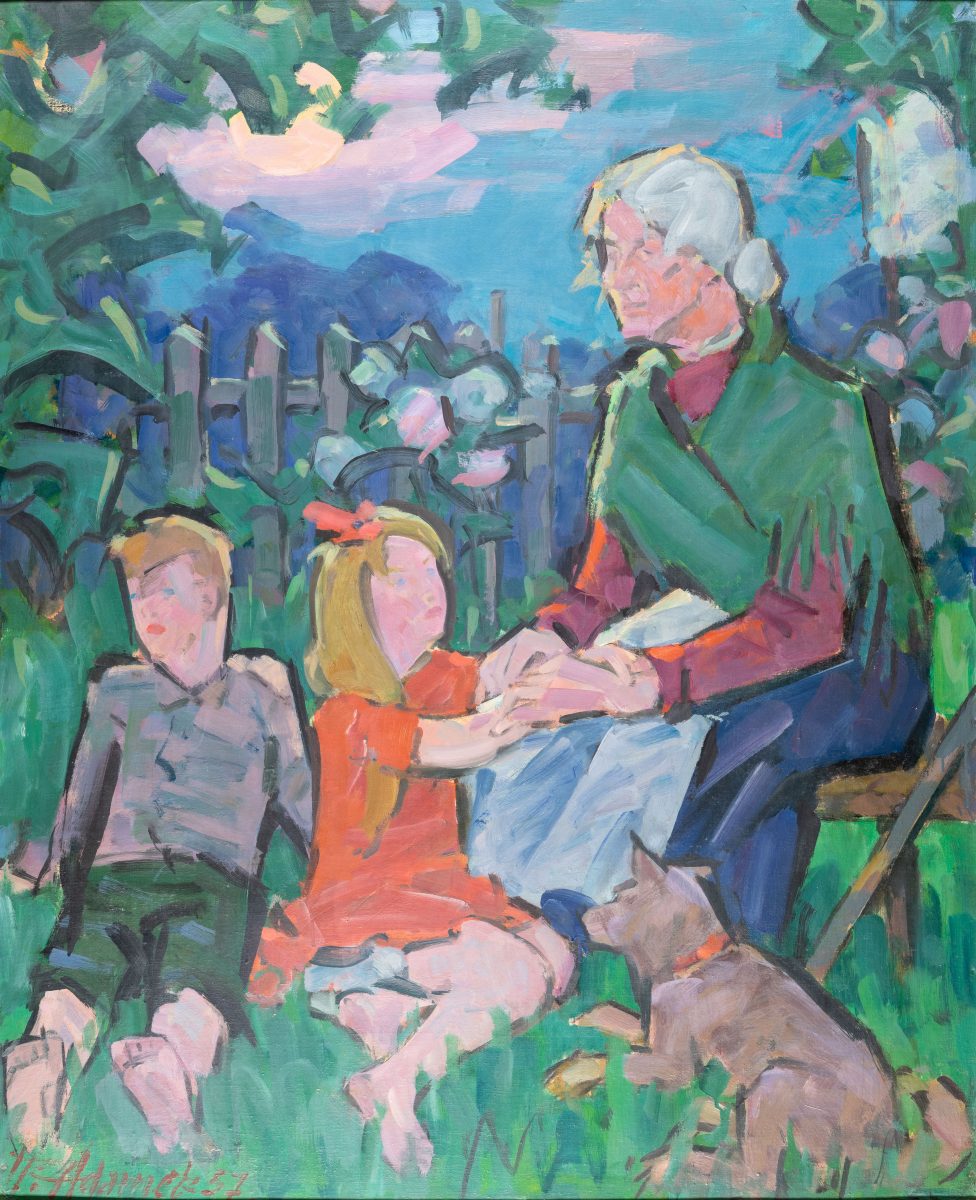
Storyteller
Oil on wood
95 × 77 cm
1957
Adametz, Heinrich Emil
|
Storyteller
1957
Oil on wood
95 × 77 cm
Tall Ships on the High Seas
Oil on plywood
107,3 × 80,7 cm
1927
Adametz, Heinrich Emil
|
Tall Ships on the High Seas
1927
Oil on plywood
107,3 × 80,7 cm

Self-Portrait
Oil on wood
60 × 48,5 cm
1955
Adametz, Heinrich Emil
|
Self-Portrait
1955
Oil on wood
60 × 48,5 cm

Round Dance
Oil on paper on wood fibreboard
67 × 115,9 cm
1920
Adametz, Heinrich Emil
|
Round Dance
1920
Oil on paper on wood fibreboard
67 × 115,9 cm

Self-Portrait with Hat
Oil on canvas
80,5 × 61 cm
1916
Adametz, Heinrich Emil
|
Self-Portrait with Hat
1916
Oil on canvas
80,5 × 61 cm
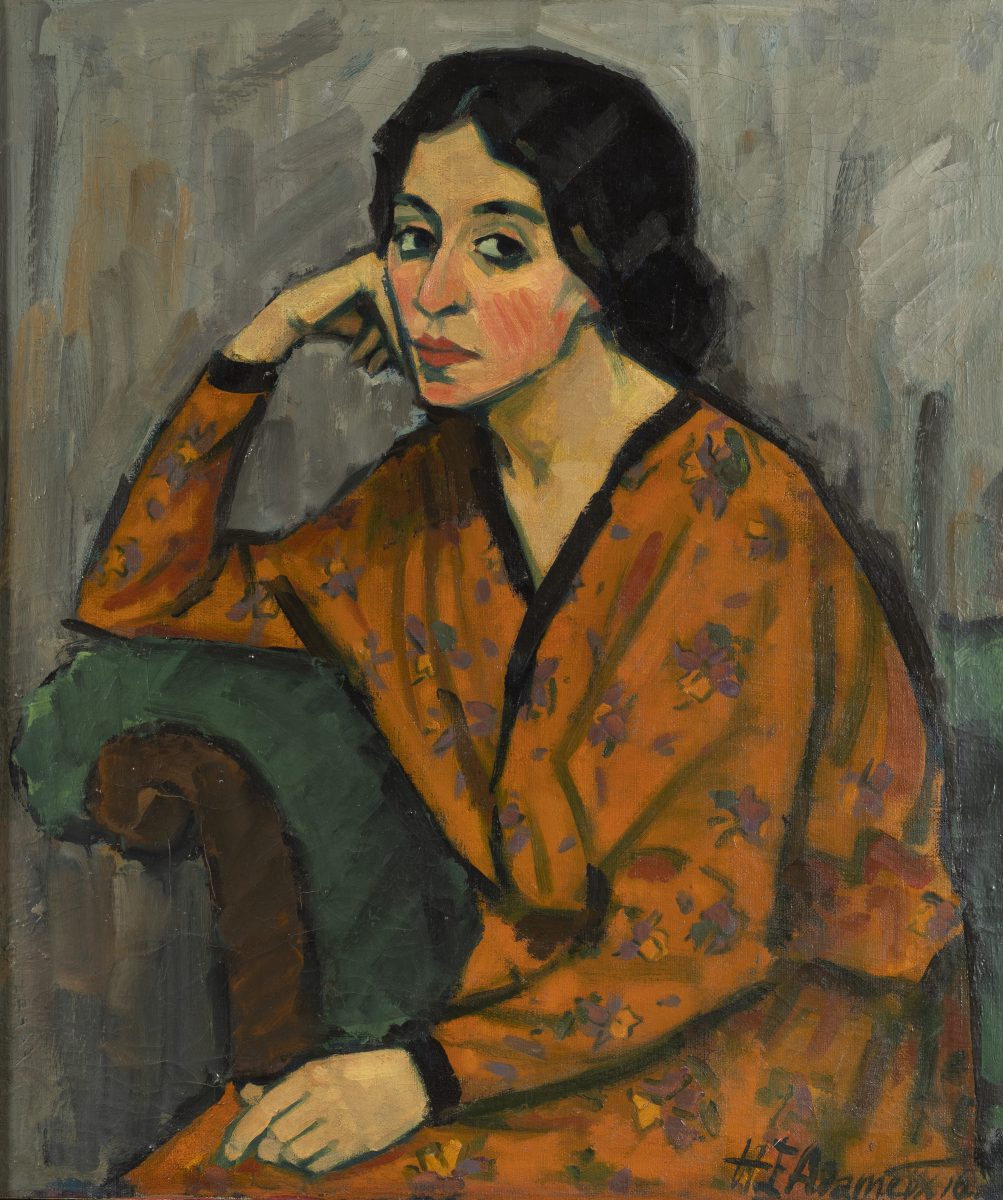
Portrait
Oil on canvas
78 × 67 cm
1916